Cryptocurrency as a Medium of Exchange in the African FMCG Market
Africa is home to over 1.4 billion people, but only 56% of them have access to formal financial services. This lack of financial inclusion is a major barrier to economic development, as it prevents people from saving money, investing in their businesses, and accessing credit.
Cryptocurrency has the potential to revolutionize financial inclusion in Africa. It is a decentralized digital currency that is not subject to the same restrictions as traditional fiat currencies. This makes it an ideal solution for people who live in countries with unstable currencies, high inflation, or limited access to financial institutions.
In recent years, there has been a growing interest in cryptocurrency in Africa. The continent is now home to some of the highest rates of cryptocurrency adoption in the world. For example, a recent survey by Chain Analysis found that Kenya, South Africa, and Nigeria were among the top 10 countries for cryptocurrency use in 2021.
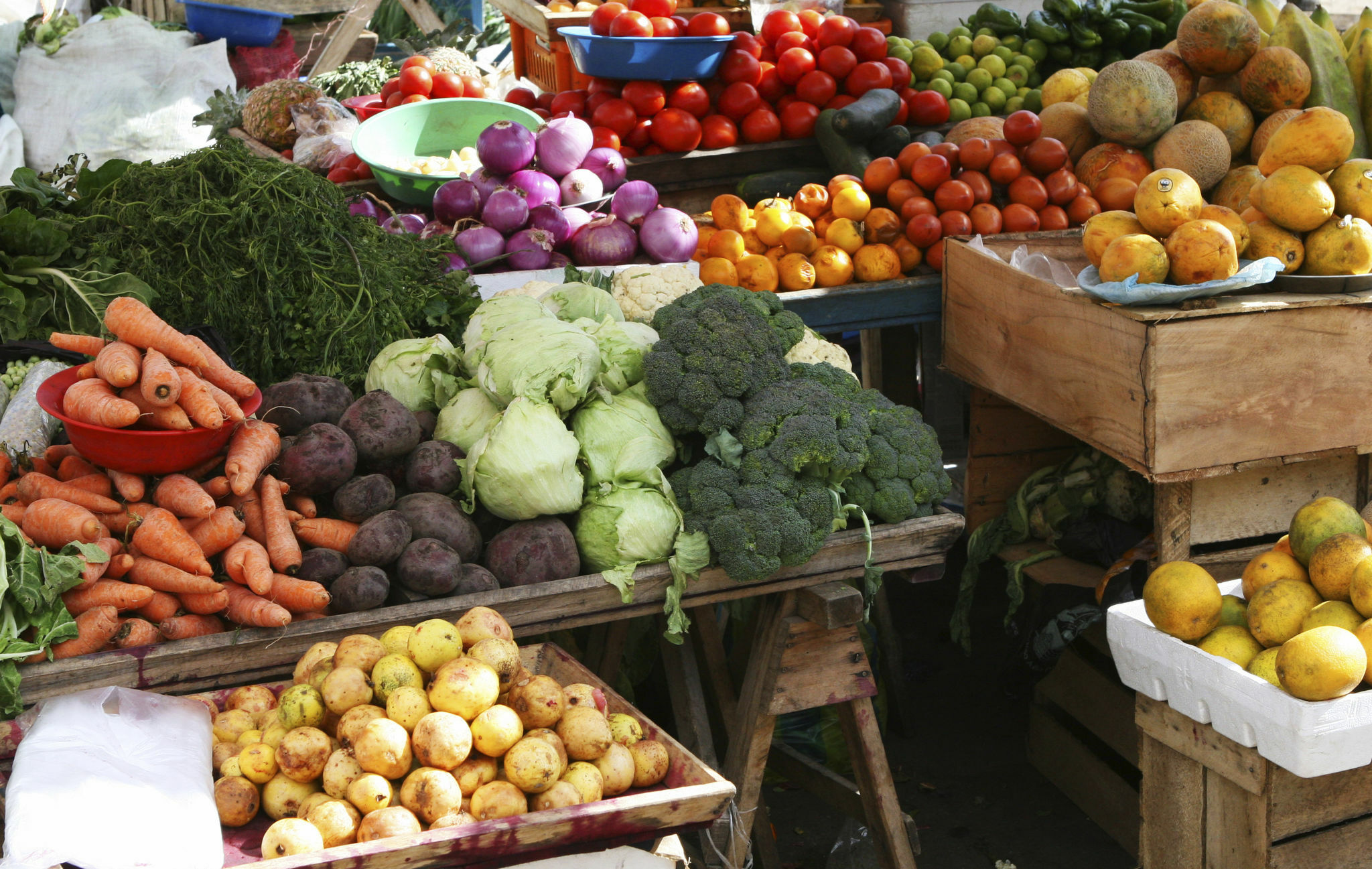
One of the most promising applications for cryptocurrency in Africa is in the FMCG market. FMCG products are essential goods such as food, beverages, and personal care items. They are consumed by people of all income levels, making them a vital part of the African economy.
There are a number of ways that cryptocurrency can be used as a medium of exchange in the African FMCG market. For example:
- Retailers: Retailers can accept cryptocurrency as payment for goods and services. This can help them to attract new customers, reduce transaction costs, and expand into new markets.
- Producers: Producers can use cryptocurrency to pay suppliers and employees. This can help them to reduce costs and improve efficiency.
- Consumers: Consumers can use cryptocurrency to purchase FMCG products from retailers and producers. This can give them more choice and flexibility, and it can also help them to save money on transaction fees.
Examples of how Bitcoin helped El Salvador
In September 2021, El Salvador became the first country in the world to adopt Bitcoin as legal tender. This move was met with a mixed reaction, but there is no doubt that Bitcoin has had a positive impact on the Salvadoran economy.
For example, a study by the National Bureau of Economic Research found that Bitcoin adoption led to a 30% increase in remittances to El Salvador. Remittances are a vital source of income for many Salvadorans, so this increase is significant.
Bitcoin has also helped to boost tourism in El Salvador. The country has seen a surge in visitors from the United States and other countries since Bitcoin was adopted as legal tender.
Medium-term challenges
Despite the potential benefits of cryptocurrency, there are a number of challenges that need to be addressed before it can be widely adopted as a medium of exchange in the African FMCG market. These challenges include:
- Lack of awareness and understanding: Many Africans are still not aware of cryptocurrency or how it works. This lack of awareness is a major barrier to adoption.
- Volatility: Cryptocurrency prices are volatile, which can make it difficult to use as a medium of exchange.
- Regulation: The regulatory landscape for cryptocurrency is still evolving in many African countries. This uncertainty can deter businesses and consumers from using cryptocurrency.
Despite these challenges, the potential benefits of cryptocurrency for the African FMCG market are significant. As awareness and understanding of cryptocurrency increases, and the regulatory environment becomes more stable, we can expect to see more and more FMCG market participants leveraging cryptocurrency as a medium of exchange.
Here are some additional thoughts on how African FMCG market participants can leverage cryptocurrency as a medium of exchange:
- Partner with cryptocurrency exchanges and payment processors: This will make it easier for retailers and consumers to accept and use cryptocurrency.
- Educate customers about cryptocurrency: Retailers and producers can play a role in educating their customers about cryptocurrency and how to use it.
- Develop innovative cryptocurrency-based solutions: For example, retailers could develop cryptocurrency loyalty programs or offer discounts to customers who pay with cryptocurrency.
Conclusion
Cryptocurrency has the potential to revolutionize financial inclusion and economic development in Africa. The FMCG market is one of the most important sectors of the African economy, and cryptocurrency can play a major role in helping this sector to grow and thrive.
By addressing the challenges of lack of awareness, volatility, and regulation, African FMCG market participants can leverage cryptocurrency as a medium of exchange to benefit their businesses and their customers.